Pokémon TCG Pocket: envenenado, explicado (y todas las cartas con la habilidad "veneno")
Esta guía explora la condición especial "Envenenado" en Pokémon TCG Pocket, detallando sus efectos, qué cartas la infligen, cómo curarla y estrategias para construir mazos de Veneno efectivos.
Enlaces rápidos
- ¿Qué es envenenado en Pokémon TCG Pocket?
- ¿Qué cartas causan envenenamiento?
- ¿Cómo curar el envenenamiento?
- Construyendo un mazo de veneno fuerte
Pokémon TCG Pocket presenta varias condiciones especiales que reflejan el juego de cartas físico, incluido Poisoned. Este estado inflige una pérdida gradual de HP en un Pokémon Activo hasta que se cura o noquea. Comprender su aplicación, las cartas relevantes, las curas y las estrategias de construcción de mazos es crucial para el éxito.
¿Qué es envenenado en Pokémon TCG Pocket?
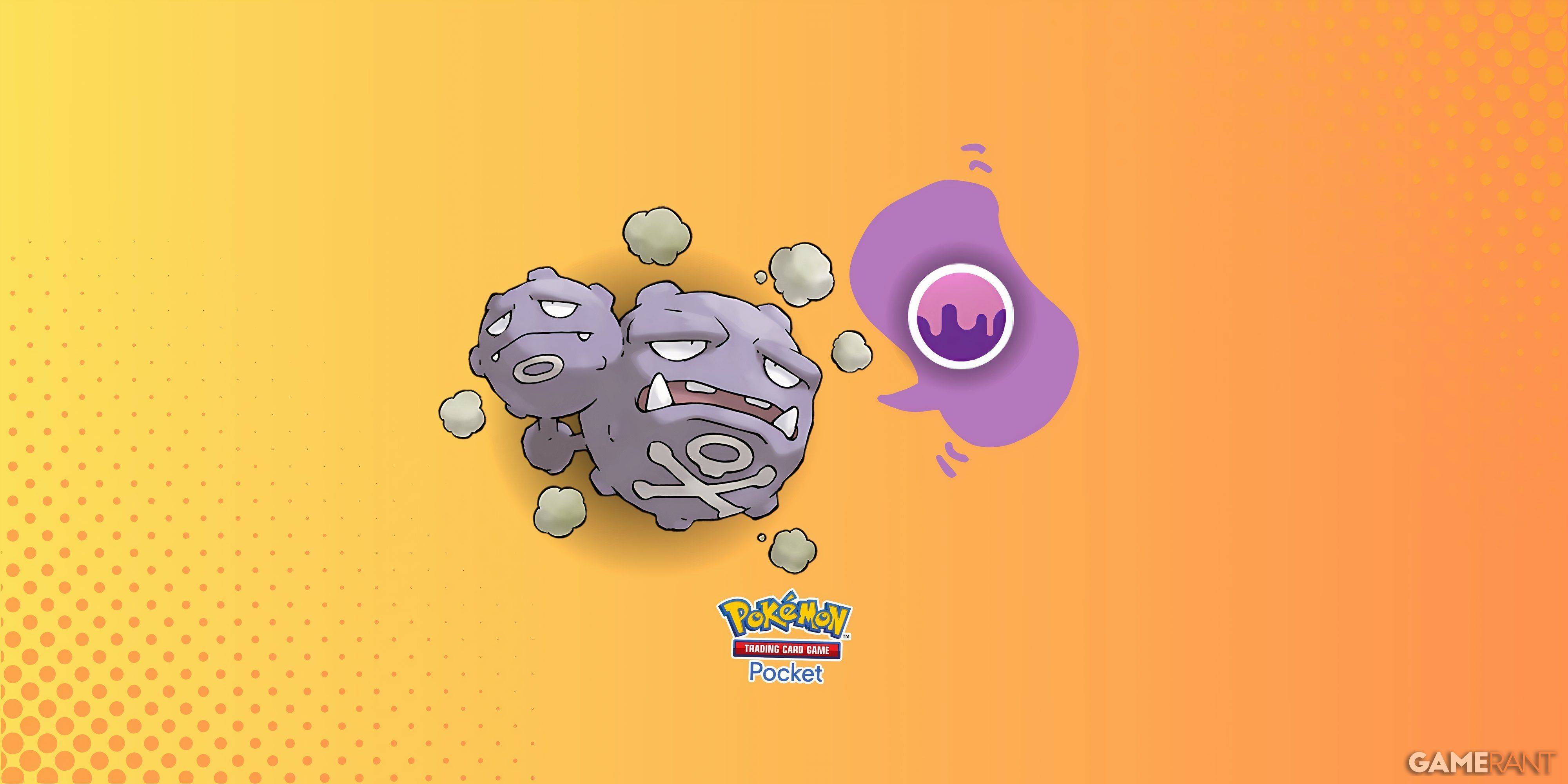
Envenenado es una Condición Especial que resta 10 HP al final de cada ronda, calculados durante el Chequeo de ronda. A diferencia de algunos efectos, persiste hasta que se cura o se derrota al Pokémon. Si bien puede combinarse con otras Condiciones Especiales, no se acumula consigo mismo; un Pokémon solo pierde 10 HP por turno, independientemente de las múltiples aplicaciones de Veneno. Sin embargo, este estado puede ser aprovechado por cartas como Muk, aumentando el daño contra oponentes envenenados.
¿Qué cartas causan envenenamiento?
En la expansión Genetic Apex, cinco cartas infligen Envenenado: Weezing, Grimer, Nidoking, Tentacruel y Venomoth. Grimer destaca por ser un Pokémon Básico eficiente, envenenando con una sola Energía. Weezing ofrece otra opción fuerte, usando su habilidad "Fuga de gas" (no requiere energía) mientras está activo.
Para experimentar con los mazos Poison, explora los mazos de alquiler. El mazo de Koga, con Grimer y Arbok, ofrece un sólido punto de partida.
¿Cómo curar el envenenamiento?
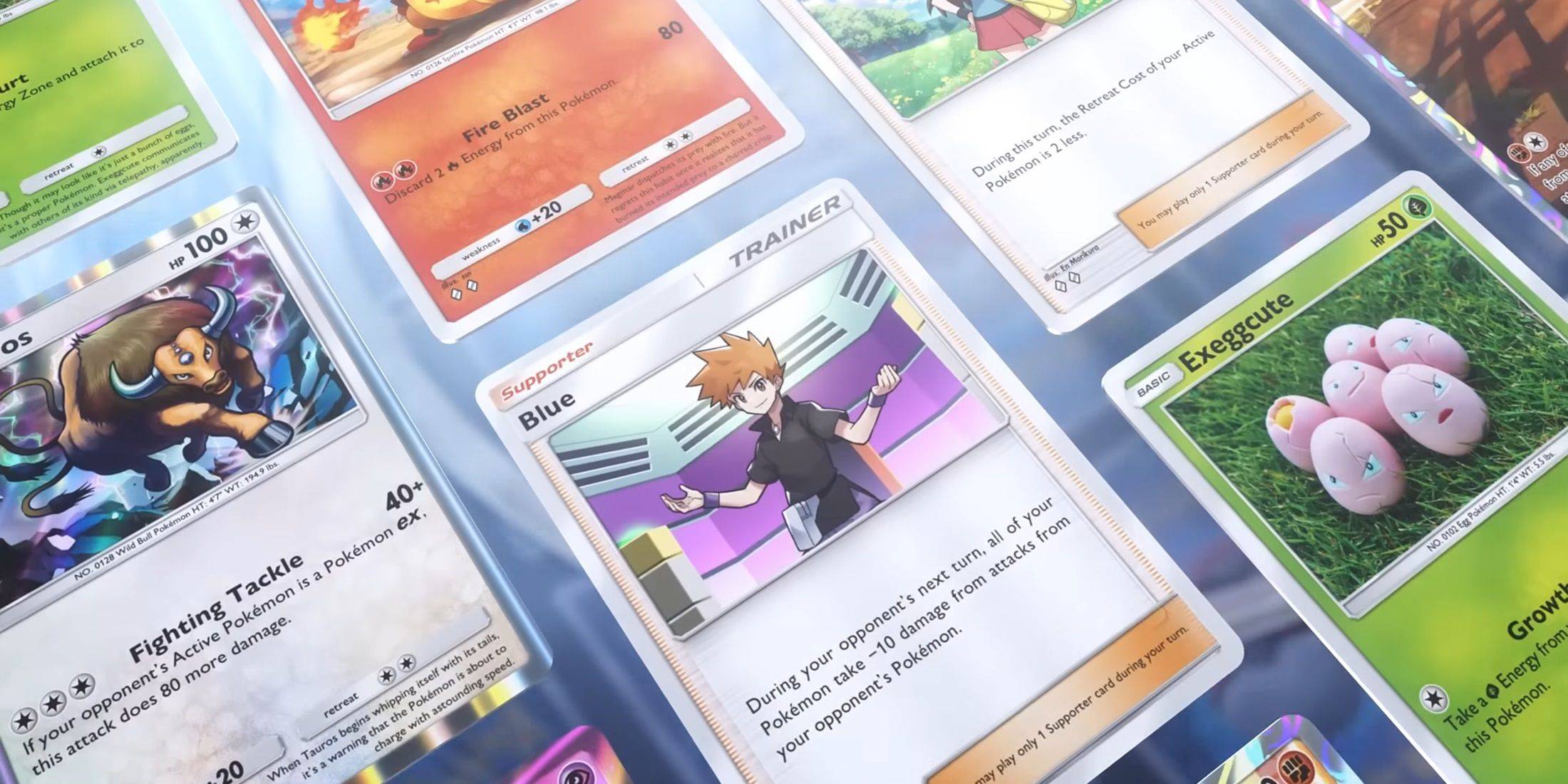
Tres métodos curan el envenenamiento:
- Evolución: La evolución de un Pokémon envenenado elimina el estado.
- Retirada: Poner en banca al Pokémon evita una mayor pérdida de HP.
- Tarjetas de artículos: Las cartas como Poción curan HP, extendiendo la capacidad de supervivencia pero no curando al Envenenado.
Construyendo un mazo de veneno fuerte
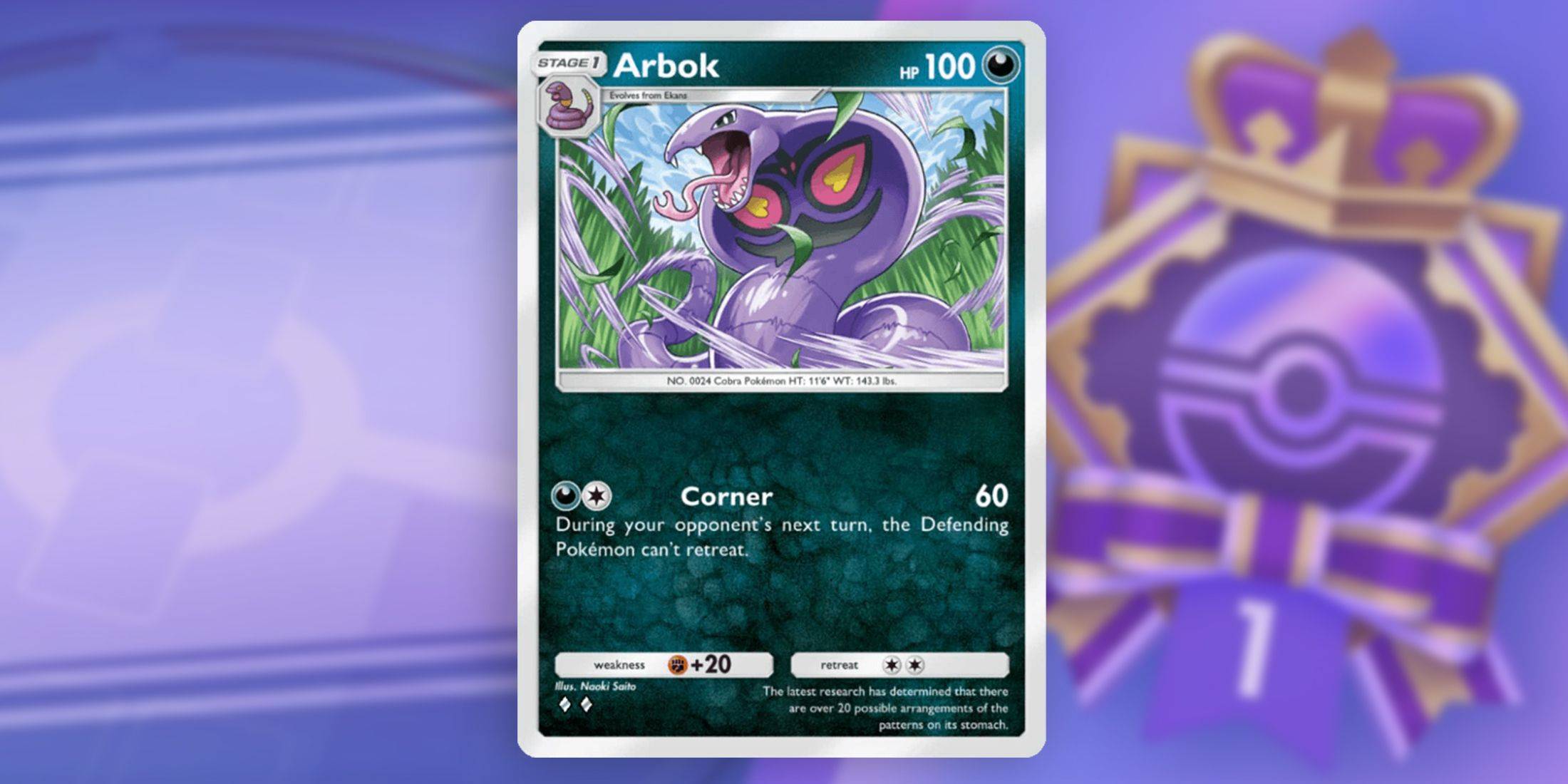
Si bien no es un arquetipo de primer nivel, se puede construir un poderoso mazo de Veneno en torno a la sinergia de Grimer, Arbok y Muk. La estrategia se centra en el envenenamiento rápido con Grimer, el bloqueo del oponente usando Arbok y el alto daño de Muk contra objetivos envenenados.
Aquí hay una plataforma META de muestra que aprovecha estas sinergias:
| Card | Quantity | Effect |
|---|---|---|
| Grimer | x2 | Applies Poisoned |
| Ekans | x2 | Evolves into Arbok |
| Arbok | x2 | Locks the opponent's Active Pokémon |
| Muk | x2 | Deals 120 DMG to Poisoned Pokémon |
| Koffing | x2 | Evolves into Weezing |
| Weezing | x2 | Applies Poisoned via "Gas Leak" ability |
| Koga | x2 | Returns Active Weezing or Muk to your hand |
| Poké Ball | x2 | Draws a Basic Pokémon |
| Professor's Research | x2 | Draws two cards |
| Sabrina | x1 | Forces opponent's Active Pokémon to Retreat |
| X Speed | x1 | Reduces Retreat cost |
Las estrategias alternativas incluyen el uso de Jigglypuff (PA) y Wigglytuff ex, o un enfoque más lento y de alto daño con la línea de evolución de Nidoking (Nidoran, Nidorino, Nidoking).
Juegos de tendencia



![Taffy Tales [v1.07.3a]](https://imgs.anofc.com/uploads/32/1719554710667e529623764.jpg)






Noticias principales





Últimos juegos